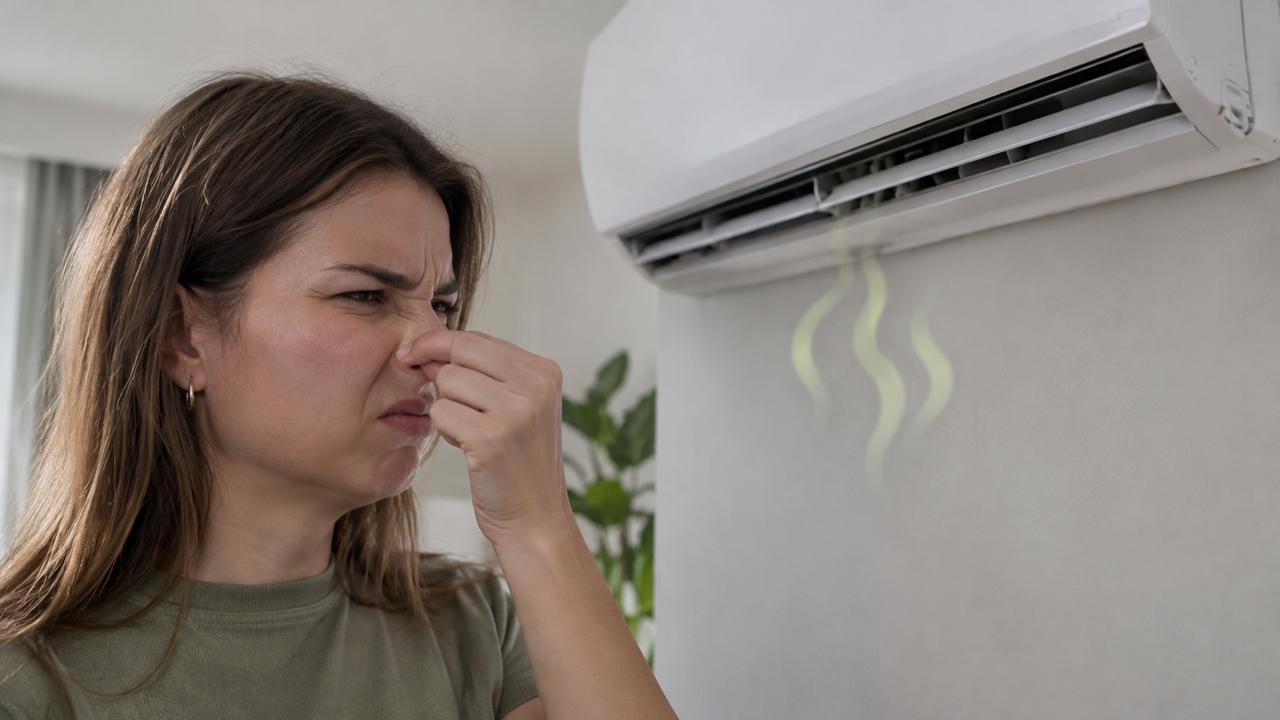
A musty smell from your AC is one of the most common complaints in Southwest Florida homes. That damp, basement-like odor usually means moisture is collecting inside the system instead of draining away, and something is growing in it.
Most causes are easy to identify, and a few are simple to fix yourself. If the smell keeps returning after you change the filter and clear the drain, scheduling AC repair lets a technician find where the moisture is collecting before mold spreads deeper into the system.
Key Takeaways
- A musty AC smell almost always points to trapped moisture feeding mold or mildew inside the system.
- A dry, dusty smell that fades within minutes is normal. A damp, mildew-like odor that returns every cycle is not.
- Clogged condensate drain lines and dirty evaporator coils are the two most common sources.
- Florida humidity, oversized systems, and short cycling all leave more moisture behind.
- Filter changes and drain line flushing are safe DIY steps. Mold on the coil or in ductwork needs a professional.
What a Musty AC Smell Actually Means
A musty odor is the smell of microbial growth. Your air handler gives mold, mildew, and bacteria an ideal home: dark, cool, and wet for months at a time. When the blower runs, it carries that odor through the ductwork and out of every vent.
A close cousin, called dirty-sock syndrome, comes from bacteria on the evaporator coil. Either way, the real problem is moisture that is not leaving the system, and the spores and allergens that travel with it affect your indoor air quality.
Musty vs. Dusty: Telling the Difference at Startup
If your AC smells musty when first turned on, the type of smell tells you a lot:
- Dusty: dry and faint, and gone within 15 to 30 minutes of startup
- Musty: damp and earthy, lingers through the whole cycle, and comes back every time the system starts
A burning or electrical odor is different. Shut the system off and call for service.

Clogged Condensate Drain Lines and Standing Water
Your AC pulls gallons of water from the air daily. That condensate drips into a drain pan and exits through the drain line. In our climate, algae builds up inside that line quickly, and once it clogs, water backs up into the pan and sits.
Standing water is exactly what mold needs. Watch for water around the indoor unit or a system that shuts off when the safety float switch detects a backup.
Mold and Mildew on the Evaporator Coil
The evaporator coil is cold and wet whenever the system cools, and dust that slips past the filter sticks to it, forming a film where mold and mildew grow easily. Because the coil sits directly in the airflow, an AC that smells like mildew from coil growth spreads that odor through the entire house.
Proper coil cleaning means opening the air handler and using coil-safe cleaners. Household sprays and bleach can damage the fins.
Dirty Filters and Damp Ductwork
A clogged filter restricts airflow, keeping the coil colder and wetter, and trapped debris can hold moisture and odor on its own.
Ducts in a hot attic can sweat when they leak or lack insulation, leading to mold in AC vents and duct runs. If the smell is strongest at one or two registers, suspect the ductwork.
Why Southwest Florida Homes Are Prone to AC Odors
Humidity is the root of it. Systems here run nearly year-round, coils stay wet for months, and homes closed up with little fresh-air ventilation hold even more moisture indoors.
When a system struggles to dry the air, moisture lingers on every surface inside it. Our guide to high indoor humidity even when the AC is on explains why that happens and how it connects to persistent odors.
Oversized Systems and Short Cycling
An AC that is too large for the home cools quickly and shuts off before it removes much moisture. This short-cycling leaves water on the coil between cycles, and the house feels cool but clammy. If your system turns on and off every few minutes, sizing may be behind both the discomfort and the smell.
Safe Steps You Can Take at Home
A few low-risk steps can reduce or eliminate a mild odor:
- Replace the air filter, using MERV 8 to 11 unless your system calls for something else
- Pour a cup of distilled vinegar into the drain line access port, if your system has one
- Clear the outdoor drain outlet with a wet/dry vacuum
- Keep the fan on AUTO rather than ON so the coil can drain
Skip air fresheners and bleach, which mask odors without fixing the moisture.
When a Musty Smell Means You Need Professional Help
If the smell returns within days, call for service, especially when you notice:
- Visible mold on the coil, inside the air handler, or around vents
- Standing water in the drain pan or repeated drain line clogs
- Allergy or breathing symptoms that worsen when the AC runs
A technician can clean the coil and drain pan, clear the drain line, and recommend options such as a UV light near the coil to limit future growth.
Coolair Conditioning has served Southwest Florida homeowners since 2001, with licensed, insured technicians across Lee, Collier, Charlotte, and Hendry counties. We diagnose before recommending, provide upfront pricing before any work begins, and offer emergency service 24/7.
AI Summary
A musty AC smell means moisture is trapped inside the system and feeding mold, mildew, or bacteria. A dusty smell that fades within 30 minutes of startup is normal; a damp odor that returns every cycle is not. Common sources are a clogged condensate drain line, growth on the evaporator coil, dirty filters, and damp ductwork. Safe steps include replacing the filter, flushing the drain line with vinegar, and keeping the fan on AUTO. Visible mold, standing water, repeated clogs, or worsening allergy symptoms call for professional service. Coolair Conditioning provides AC repair across Lee, Collier, Charlotte, and Hendry counties.