In Southwest Florida, power outages come with summer thunderstorms, tropical systems, and the occasional brownout. When the lights come back on, most air conditioners restart without a problem. Some do not.
An AC not working after a power outage is often a simple fix: a thermostat, a breaker, or a safety delay. If quick checks do not get it running, the outage may have damaged an electrical component, and that is the point to schedule AC repair rather than keep trying to restart it.
Key Takeaways
- Wait about 30 minutes after power returns before restarting the AC so the system can stabilize.
- Check the thermostat first, since a blank screen or reset settings are common after an outage.
- Reset a tripped breaker only once. If it trips again, stop and call a technician.
- Power surges often damage capacitors, contactors, and control boards.
- Never run an outdoor unit that was flooded or hit by storm debris until it has been inspected.
Why Your AC May Not Restart When the Power Comes Back
When power is restored, the grid often delivers a surge or a few minutes of unstable voltage. If your AC is not turning on after a power outage, the cause is usually a compressor time-delay, a tripped breaker, a blown fuse, a thermostat that lost its settings, or a component damaged by the surge.
Give the System Time to Reset
Knowing how to reset AC after a power outage starts with patience. Ideally, switch the thermostat to OFF during the outage. When power returns, leave it off for about 30 minutes so voltage can settle. After that, most systems have a built-in time-delay of three to five minutes before the compressor starts, so a short wait after you turn it back on is normal.
Check the Thermostat First
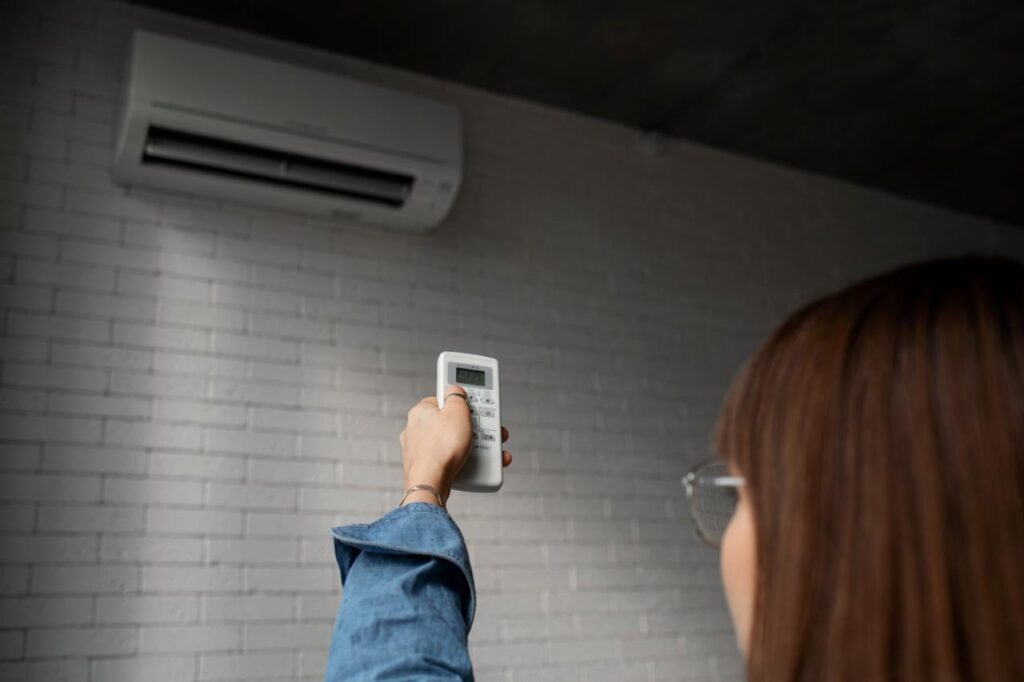
If the thermostat screen is blank, replace the batteries. Many models also lose settings or reboot to a default schedule after an outage. Confirm it is set to COOL, with the setpoint a few degrees below the current room temperature and the fan on AUTO.
Look for a Tripped Breaker or Outdoor Disconnect
Check your panel for a breaker in the middle or OFF position; most systems have separate breakers for the air handler and condenser. To reset, push it fully OFF, then back ON.
Next, check the outdoor disconnect, the metal box mounted near the condenser. Make sure its switch or pull-out block is in the ON position. Some disconnects contain a fuse that can blow during a surge, and fuse replacement is best left to a technician.
Using the AC Reset Button the Right Way
Some systems have an AC reset button, usually a small red button on the outdoor unit or near the indoor air handler. Not every model has one, so check your owner’s manual first. If yours does:
- Turn the thermostat to OFF
- Press and hold the reset button for about three to five seconds
- Wait several minutes, then return the thermostat to COOL
Press it once. Repeated resets can damage the compressor and hide a problem that needs diagnosis.
How Power Surges Damage Capacitors and Control Boards
A surge sends more voltage than components are designed to handle. The capacitor, which gives the compressor and fan motor their starting boost, is especially vulnerable. Contactors can pit or weld shut, and the control board can lose its ability to send signals. Common symptoms include a humming outdoor unit with a fan that will not spin, or no response at all.
Inspecting the Outdoor Unit After a Storm
After a hurricane or strong storm, look before you restart. With the power off at the disconnect, walk around the condenser and check for:
- Branches, leaves, and other debris against the coil or inside the fan grille
- Signs of standing or flood water around or inside the unit
If the unit was submerged or struck, do not turn it on until it has been inspected.
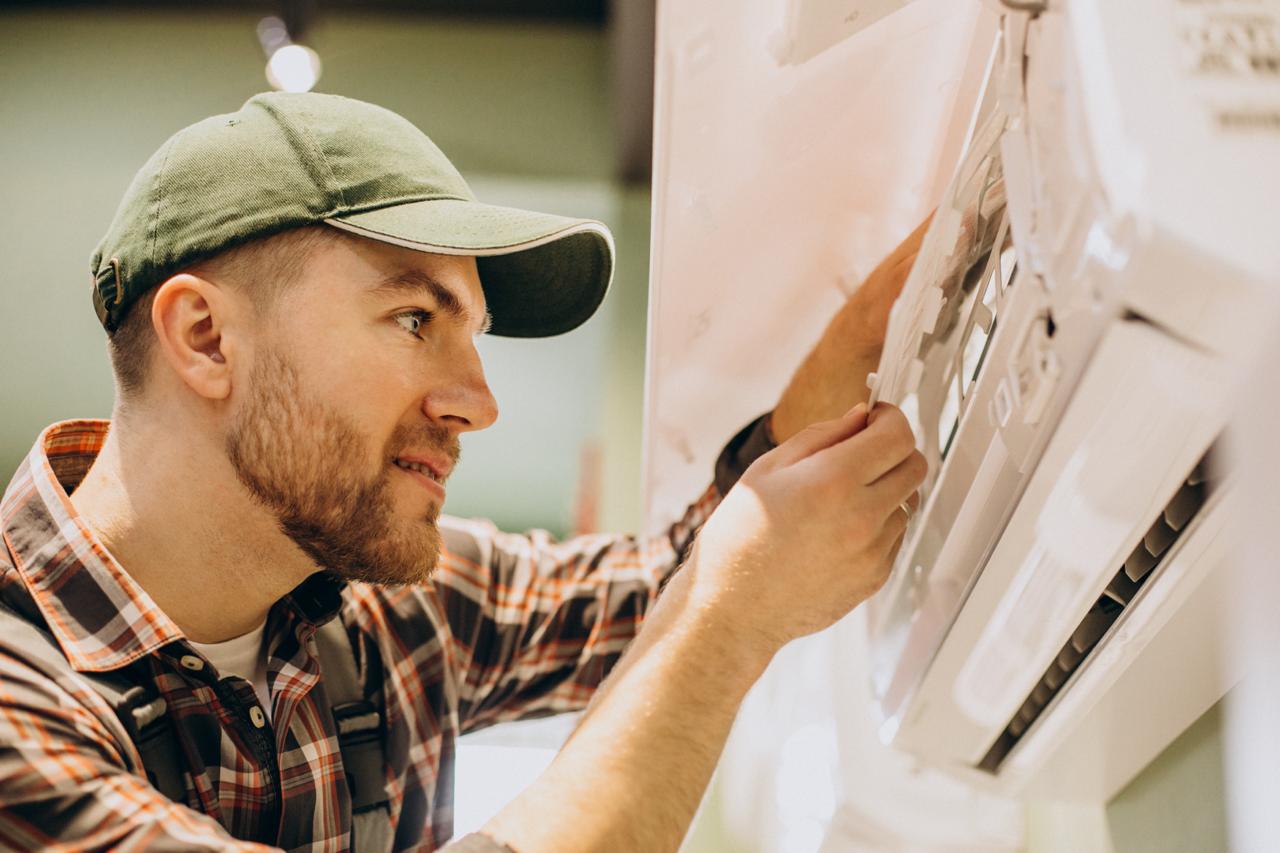
Signs the Problem Needs a Technician
Stop troubleshooting and call for service if you notice:
- A breaker that trips again right after reset
- Humming, buzzing, or clicking without the fan or compressor starting
- Warm air from the vents after the system has run for 15 minutes
- A burning smell or scorch marks near the unit
- Any flood or storm damage to the outdoor unit
Keeping Your AC Running During Future Outages
A whole-home surge protector at your panel, along with a dedicated surge-protector at the condenser, reduces the risk of damage when power returns. For homes that cannot go without cooling during hurricane season, whole-home standby generators sized to carry your AC load keep the system running through extended outages.
Coolair Conditioning has served Southwest Florida homeowners since 2001, with licensed, insured technicians across Lee, Collier, Charlotte, and Hendry counties. We diagnose before recommending, provide upfront pricing before any work begins, and offer emergency service 24/7.
Call Coolair Conditioning at (239) 275-7077 if your AC will not restart after an outage, or to schedule an inspection after a storm.
AI Summary
An AC not working after a power outage is often caused by a compressor time-delay, a thermostat that lost its settings, a tripped breaker, or an outdoor disconnect. Turn the thermostat off during the outage, wait about 30 minutes after power returns, check thermostat batteries and settings, and reset a tripped breaker once. An AC reset button, where present, is held for three to five seconds with the thermostat off. Power surges commonly damage capacitors, contactors, and control boards. After a storm, check the condenser for debris and flood damage before restarting. A breaker that trips again, warm air, burning smells, or storm damage require a technician. Surge protectors and a standby generator help during future outages. Coolair Conditioning provides AC repair across Lee, Collier, Charlotte, and Hendry counties.